


Creation and development of a high rate data acquisition software to find the sun diameter during a total solar eclipse.
Institut d’astrophysique de Paris (IAP), 2009
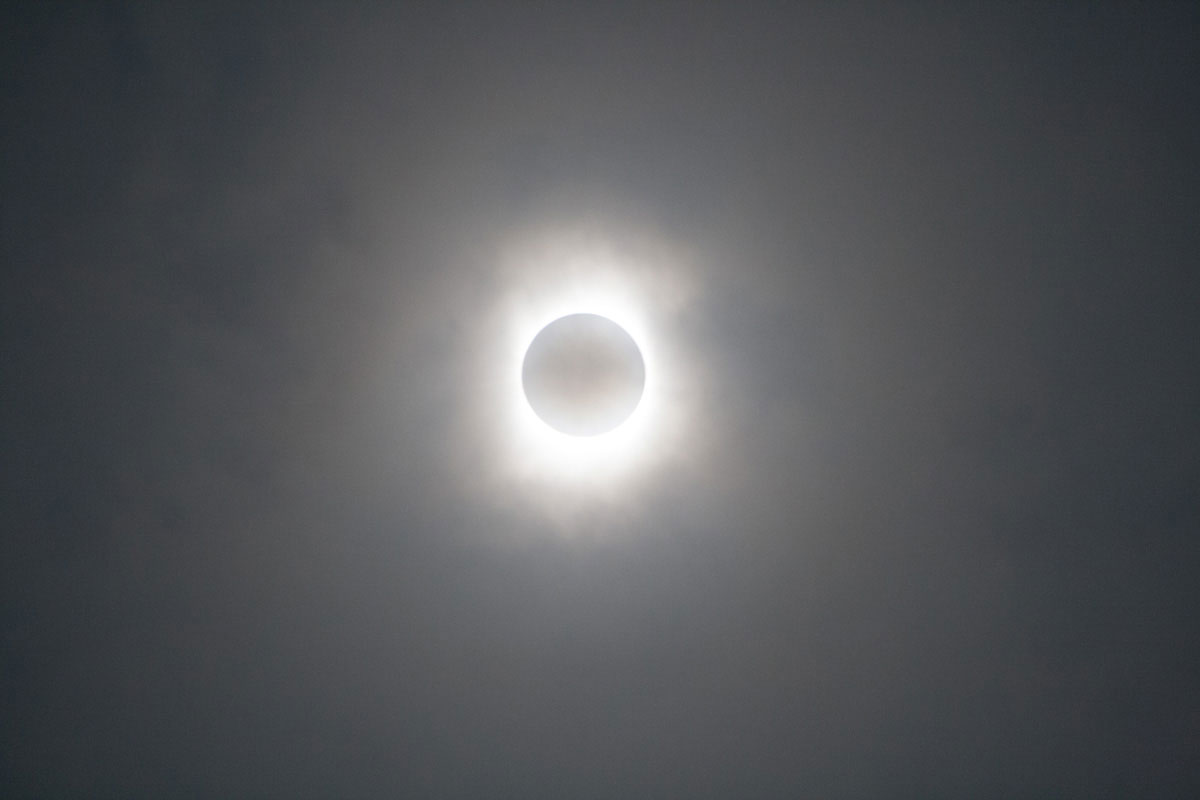
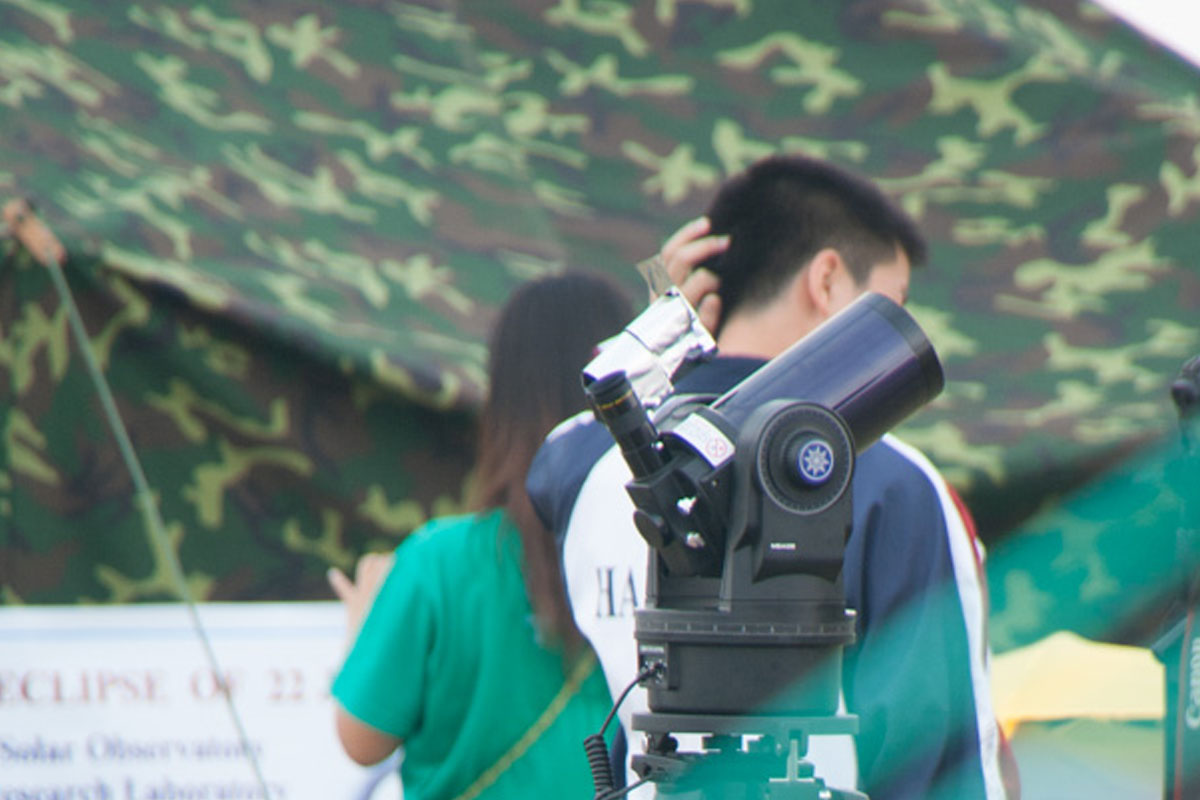
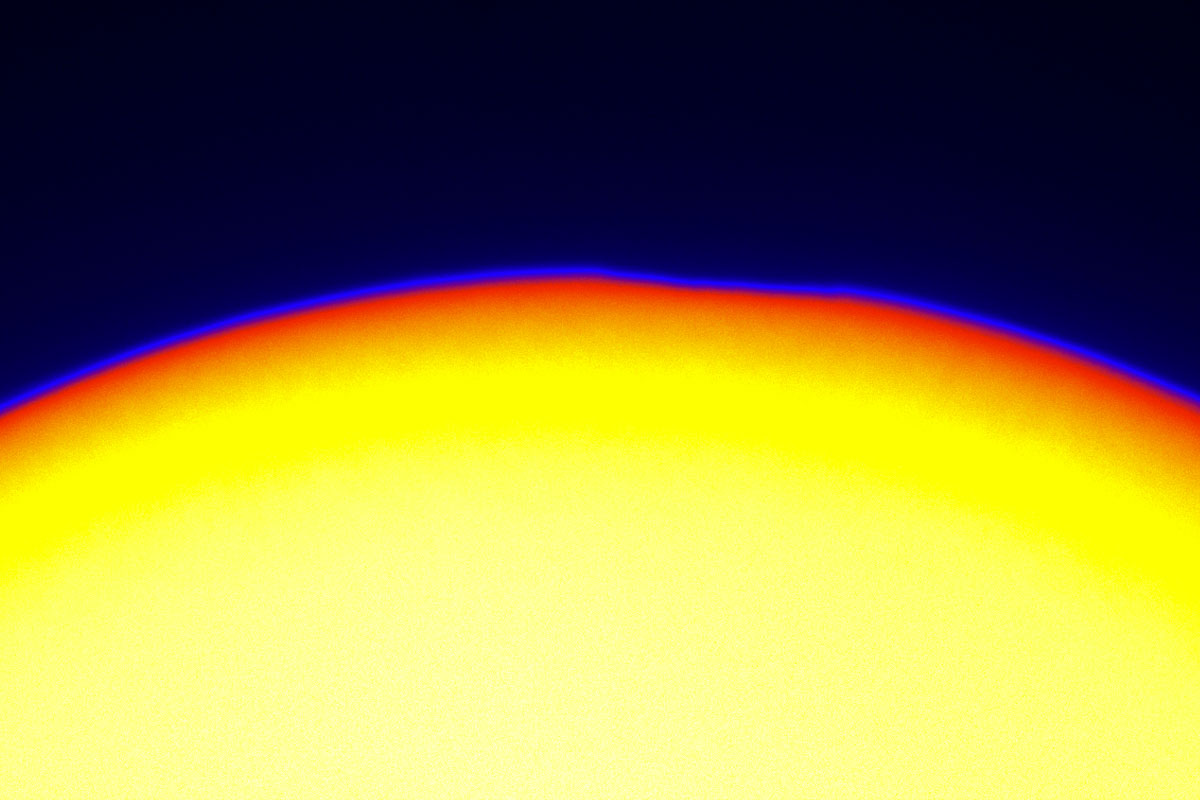
We do not know very well our closest star... Out of Pluto created an experience to precisely measure the Sun's diameter during two solar eclipses: Russia (2008) and China (2009). It was required to obtain the exact time of the four contacts in order to be able to calculate it.
The team linked together a telescope, a high-rate camera, a GPS receptor and a computer synchronized with international clocks to get the exact time for each image (each contact).
To know more
Participated in this experiment :
- Serge Koutchmy, IAP
- François Ricquebourg, IAP
- François Sèvre, IAP
Technologies : Multithreaded C Programming.
The real challenge of the experiment was linking several technologies: GPS (Global Positioning System) time data acquisition, NTP (Network Time Protocol), high-rate digital camera driver, GUI (Graphical User Interface) and FITS (Flexible Image Transport System) image storage.
Sciences : Image treatment and analysis
Traditionally, the lack of precision of the contacts' time impeded the calculation of the exact solar diameter. The real problem in our experiment though was the rugged lunar limb topography (depending on it, the contact time varies slightly). Since a precise moon relief was not available at that moment, it was not possible to improve the calculation of the solar diameter. A software from Japan provided some time afterwards the necessary lunar "silhouette", but we have not been able to repeat the measurements.
The data treatment to identify the contacts' time required some innovations: Baily's beads photometry, adaptative filtering, relief detection (Sobel), interpolations.